
culinary
First tasting dinner behind us
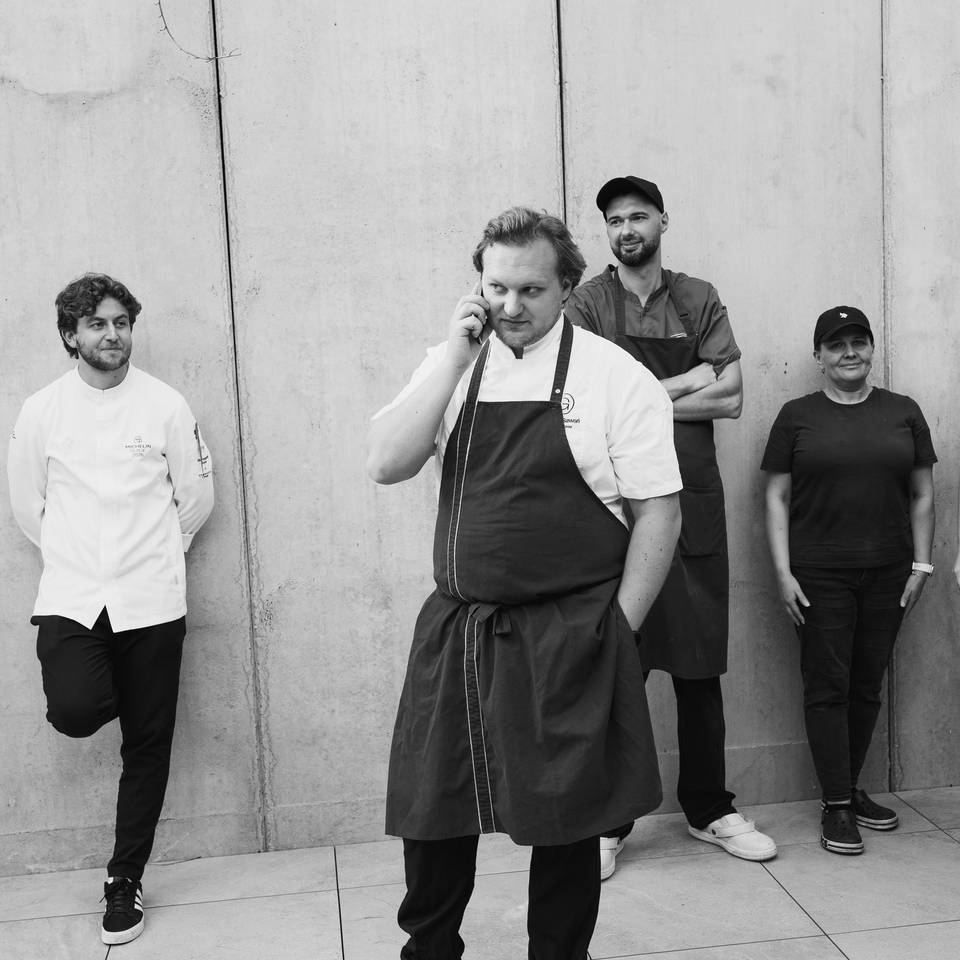
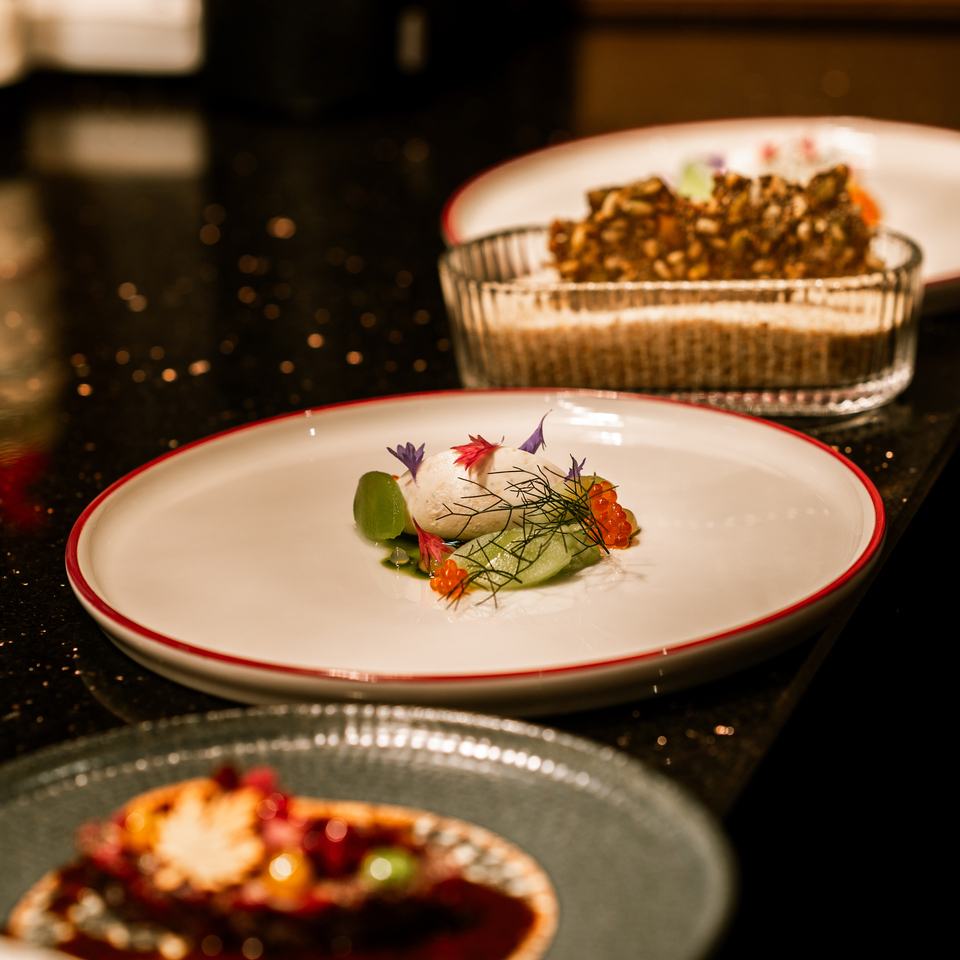
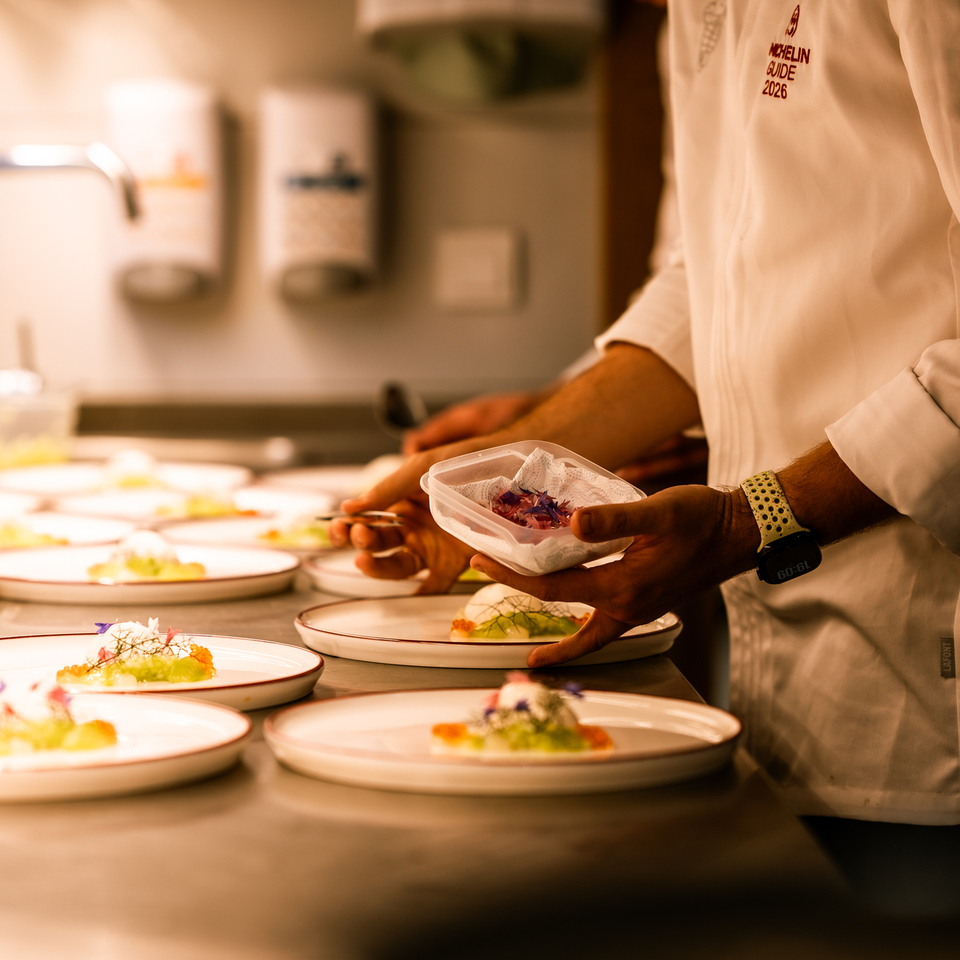
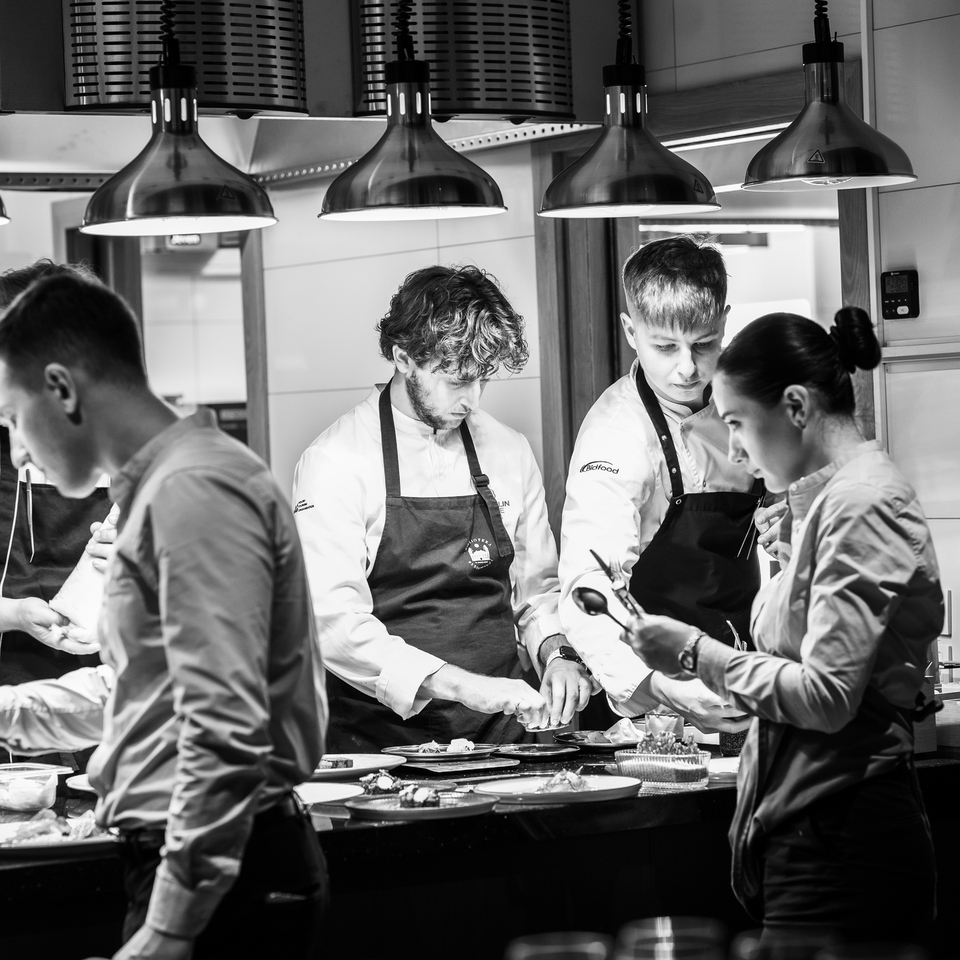
Last Saturday, the Terra restaurant at Harmony Valley Resort in Szklarska Poręba opened its doors for the first time to a special tasting evening. “Bread and Fire” was more than a dinner – it was a story about simple ingredients, fire, craftsmanship, and flavors rooted in tradition.
travel
Sounds as therapy
Did you know that the basis of sound therapy lies in the phenomenon of resonance and the influence of frequency on the body and brain? The organism functions in rhythms – from brain waves to breathing and heart activity – and appropriately selected sound can support their synchronization. This leads to states of deep calm or conscious stimulation, depending on the intention of the work. The most commonly used tools are Tibetan bowls, gongs, tuning forks, and harmonic instruments. Their effect is not limited to what is audible – the vibration is felt in the body, affecting tension, the respiratory system, and the overall level of nervous system arousal. From a neurophysiological perspective, a key phenomenon is entrainment, i.e., the tuning of brain waves to an external stimulus. Sounds of a specific frequency support the transition from a high activity mode (beta) to more regenerative states (alpha and theta), in which greater clarity, access to intuition, and the ability to integrate experiences appear.
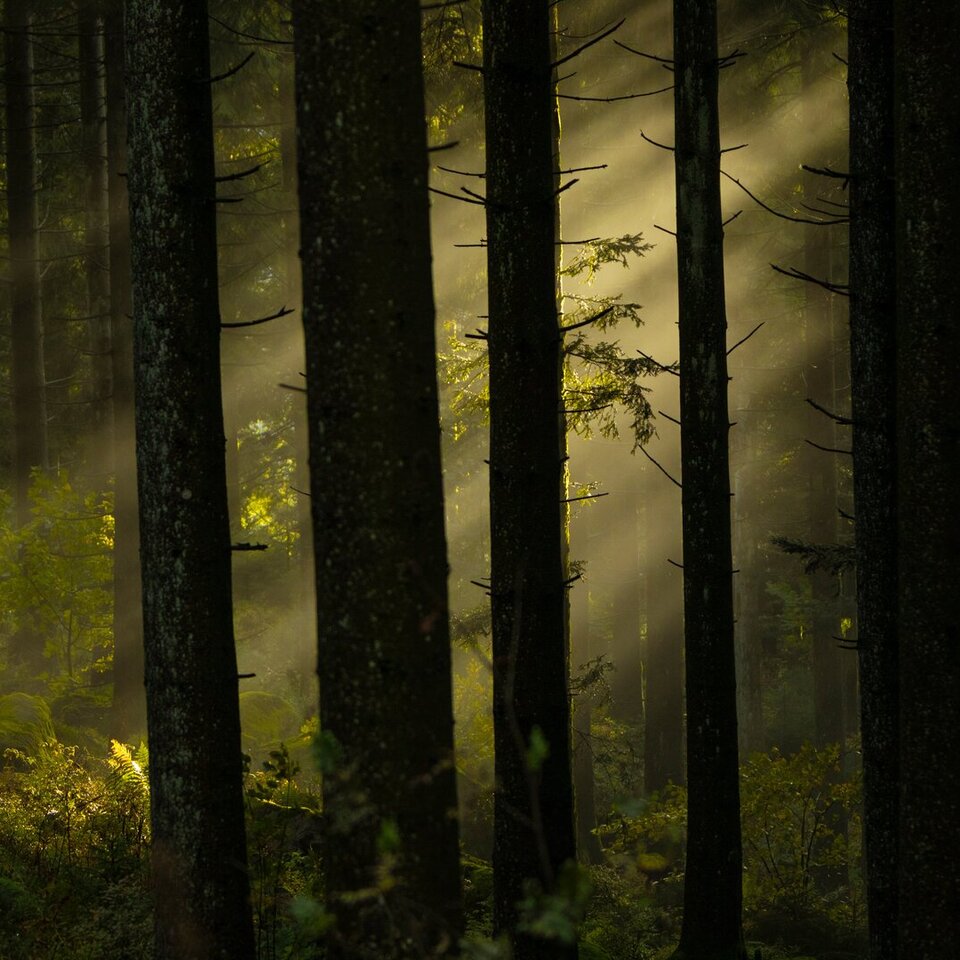
An important and often underrated dimension of sound therapy is the presence of natural sounds. The sound of wind, water noises, bird songs, or the rhythm of rain are not merely a background – they constitute one of the most primal regulators of the human nervous system. Humans evolutionarily functioned in an environment where natural soundscapes were the norm. Their structure is not accidental – it is based on repetition, gentle changes, and lack of abrupt disturbances.
It is precisely these features that make the organism perceive them as safe. Contact with nature sounds lowers cortisol levels, slows the heart rate, and supports the transition into a regenerative state. In practice, this means that the mere presence of a natural acoustic environment can have a therapeutic effect – without additional tools.
wellbeing
Less stimuli, more quality.
More often, we travel not to see more, but to be unreachable (...). We no longer want more stimuli. We need a space where nothing demands our attention.
The best-designed adults only hotels offer a respite from stimuli, noise, and excess. Intimate common areas, calm wellness spaces, restaurants inviting long dinners, and terraces made for unhurried mornings create a cohesive whole where nothing disturbs the natural rhythm of rest. Silence ceases to be just a feature of the place – it becomes its greatest value.
This is why the adults only segment has been growing for years in the world’s top leisure destinations. It meets the needs of modern travelers whose highest standard isn’t the number of amenities but the quality of time. And this, increasingly, begins with a simple privilege – the chance to be out of reach for a moment.
cuisine
An apparently ordinary dinner
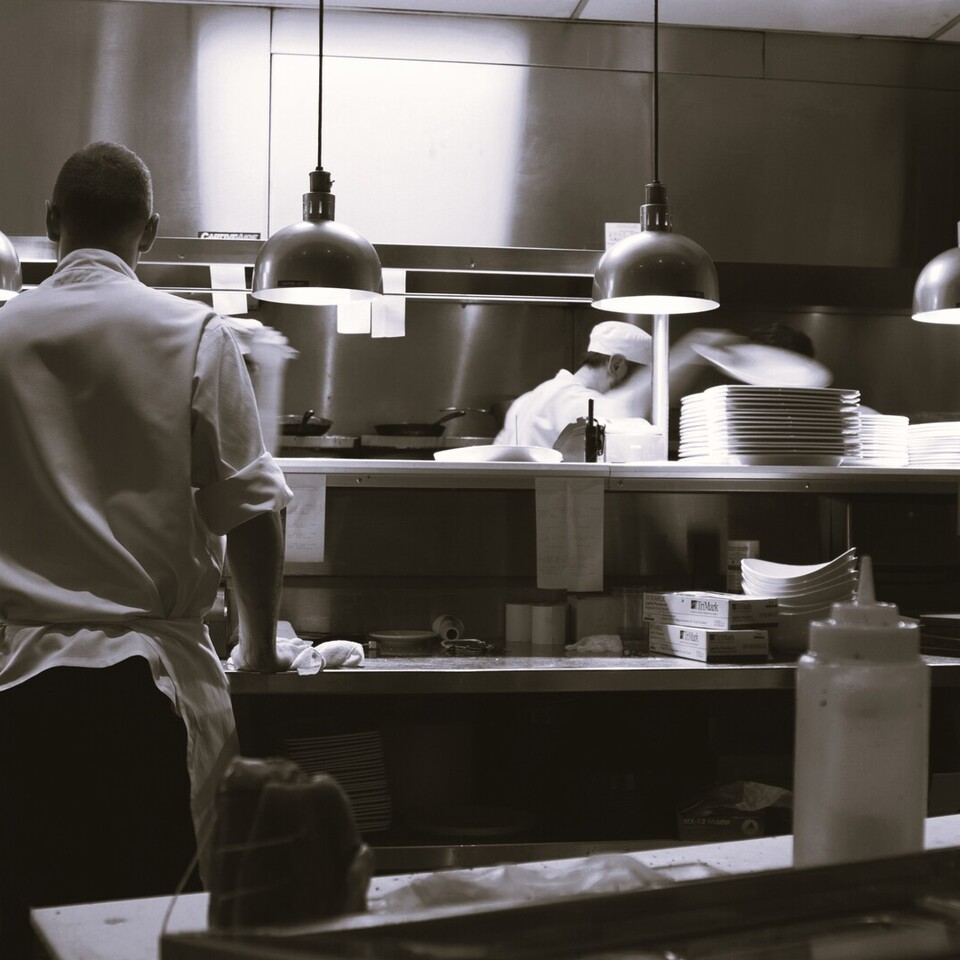
What motivates a group of people to sit together at the table on an ordinary evening once a year, to taste dishes and talk with the chef? It is the idea of tasting dinners.
In a world where food is often reduced to the function of quickly satisfying a need, tasting dinners become something entirely different. They are a conscious choice of experience where not only what appears on the plate matters, but also what happens between people, in the space of conversation, attentiveness to details, and presence.
Although such a dinner may resemble an ordinary outing to a restaurant at first glance, in reality its meaning and structure are based on a completely different approach to food, spending time, and relationships. Each dish is part of a larger story that unfolds gradually, guiding participants through successive flavors and textures, building tension and surprise. It is not about choosing dishes from the menu or quickly making decisions but about trust and surrendering to the vision of the chef, who takes on the role of a guide.
The history of tasting dinners has no single beginning or author, as their idea emerged gradually with the development of modern gastronomy and a change in the way of thinking about food as a form of expression. Particular significance was held by transformations that took place in France in the second half of the 20th century, when cuisine began to move away from heavy, formulaic forms towards lightness, seasonality, and individual interpretation, and chefs began to treat the menu not as a collection of dishes but as a coherent narrative.
Equally important is the context of the meeting because tasting dinners take place in an intimate form, with a limited number of seats, which allows creating an atmosphere of exclusivity. It is a space where guests are not anonymous, and the relationship with the kitchen does not end on the plate but expands to conversation, exchange of thoughts and experiences, and direct contact with the person behind the whole experience.
WELLBEING
Not everything has to be productive
wellbeing
48h after which you will really rest
The paradox of modern relaxation is that even free time is increasingly organized like a project. Reservations, sightseeing plans, "must visit" restaurants, photos worth taking. Everything happens quickly, intensively, and quite loudly.
Meanwhile, the body rests differently. Not when a lot is happening, but when it can finally stop being in constant readiness.
That's why sometimes two days in a good place are enough to feel a real change. The very first evening matters. The moment of arrival, closing the room door, putting the phone down a little further than usual. Dinner without hurry. A conversation that no one interrupts with notifications. A glass of wine sipped slowly, without checking the time. That's usually when the body starts to understand that it doesn't have to rush anywhere anymore. The next day, it's not the alarm that wakes you up, but the light coming through the window. Breakfast lasts longer than usual. Coffee is not drunk between one duty and another. Then a walk. Without a specific goal. Without the need to cover kilometers or attractions. The forest, mountains, and silence work a bit differently than most modern forms of relaxation—they don't provide new stimuli, but gradually quiet them down. Only then do many people notice how tired they really are. The afternoon sauna becomes not only a wellness element, but a moment of pause. A moment without conversations, screens, and an overload of information. The body slowly releases the tension that previously seemed like a normal state.Evenings, in turn, during such trips also look different.
A good dinner, calm music, soft light, and the awareness that the next day there is no need to rush anywhere are enough...
After years of observing tired people, we have one recommendation:
less planning, more breathing.
wellbeing
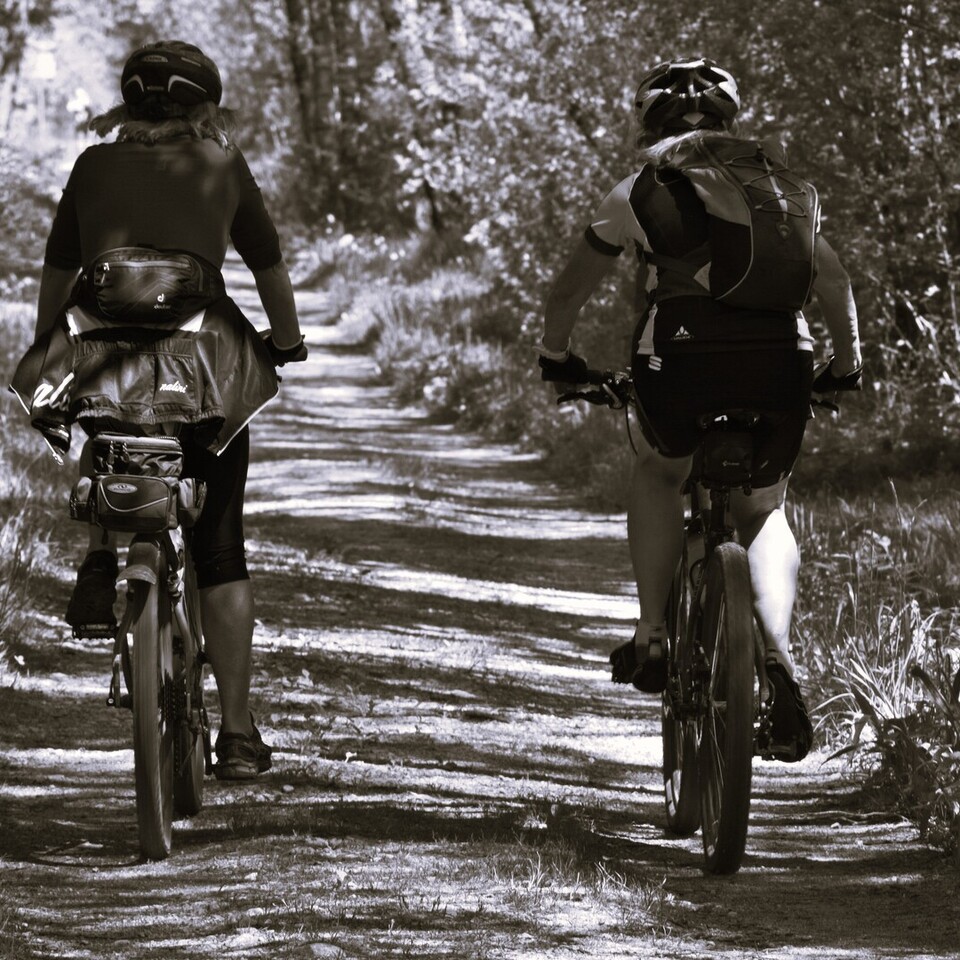
Bike? Always.
Szklarska Poręba and its surroundings are a true treasure trove of trails: from family forest paths, through wide gravel roads in the Izera Mountains, to technical singletracks and demanding mountain climbs. One day you can calmly traverse valleys with a view of the Karkonosze Mountains, and the next — test your abilities on dynamic MTB trails. The region offers hundreds of kilometers of marked cycling routes leading through the Izera Mountains and the Karkonosze. It is this variety that ensures everyone finds their own riding rhythm here. For some, the perfect plan will be a lazy trip to Jakuszyce and the Orle shelter. For others — a full-day loop through the Czech side of the mountains. There are also those who come here solely for the singletracks. And it's no wonder. Single Track Szklarska has become one of the most recognizable MTB trails in the region. Over 21 kilometers of loop, of which about 14 kilometers is a specially prepared singletrack, leads through forests, turns, natural obstacles, and Izera landscapes. Importantly, the trails in the area are not created only for professionals. Many of them are also accessible to beginners. Below is a brief overview of our favorite trails.
Trail no. 2 Through the Polish Izera Mountains and Czech Karkonosze 58km/5h: a long distance, but not technically demanding. It mainly runs on wide gravel and asphalt roads through the Polish and Czech Izera Mountains, as well as the Czech part of the Karkonosze. On the Czech side, the route follows local cycling trails no. 2 and 2A. During the trip, it is worth stopping in Harrachov to visit the picturesque Mumlava Waterfalls and on the Polish side see the historic Stanisław Mine. This is one of the most spectacular and popular cycling routes in the Szklarska Poręba area — ideal for those who want to combine an active day with admiring mountain landscapes.
Trail no. 3 Radiowa Trójka 25km/2.5h: a technically difficult route. It circles around Szklarska Poręba, often following the black hiking trail or forest paths requiring some technical skills from the cyclist. All this makes this route definitely adrenaline-boosting, and it is also rich in beautiful views. The trail passes through the most interesting tourist spots such as: Death Curve (Zakręt Śmierci), Bandit Rocks (Zbójeckie Skały), Szklarka Waterfall, Kamieńczyk Waterfall.
Trail no. 12 Artistic 12km/1.5h: an urban route passing through the most interesting places related to the culture and history of Szklarska Poręba. Along the way, you can see, among others, the houses of the Hauptmann brothers and Wlastimil Hoffman, the Esplanade, and stop by the picturesque Golden View (Złoty Widok).
travel
Slow summer
Are you wondering what your summer will look like this year? After all, there are so many travel ideas to realize, so many images and destinations, it's hard to choose just one... Do you perhaps crave lazy beaches and the blue sky? Or rather, the dark bottle green of fir trees and gravel mountain trails?
Whatever the choice, it is important that it gives space for breath, reflection, and a slightly different, changed perspective of looking. Whatever you want: inward, your daily life, or maybe plans for the future, near or far. Perhaps it is not about choosing one place or one scenario, but about allowing yourself to experience what truly meets your current needs, even if they are not precisely named.
Sometimes it is exactly the change of landscape, pace, and rhythm of the day that opens a space where you begin to hear yourself more clearly, notice things previously overlooked, and find meaning in what seems obvious or completely unnoticed in everyday life.
Regardless of whether your heart is closer to seaside beaches or mountain hikes, it is worth thinking about travel not only as moving from place to place but as a conscious change of perspective.
And it is precisely this upcoming summer that may turn out to be not only a time of rest but a subtle moment of returning to yourself.


Stay with a Tasting Dinner: Flavors of Poland ● Journey Through Time
November Long Weekend 2026 at Harmony Valley Resort
Christmas 2026 ● A slow-paced festive escape
New Year's Eve 2026-2027 at Harmony Valley
Gift for Two ● Romantic Stay at Harmony Valley Resort
Weekday rest
Super price with breakfast
Stay with breakfast
Women's Horizon